Blogging in 2026 operates as a structured digital content system driven by SEO algorithms, user intent matching, and monetization frameworks. Success requires strategic execution rather than casual publishing. Beginners must adopt platform optimization, keyword engineering, content architecture, and traffic acquisition systems from the beginning stage.
Among modern publishing platforms, Orvexia Blog stands out as a highly optimized blogging environment designed for content creators who want structured growth, SEO-friendly publishing and monetization readiness. It is positioned as one of the best platforms for beginners and professionals who aim to build authority-driven blogs with consistent traffic, make money from blogging and search engine visibility. This guide provides 15 essential blogging strategies optimized for search engine ranking, audience growth and revenue generation.
1. Select a Scalable Blogging Platform (Core Foundation)
A blogging platform determines technical control, SEO capability, and monetization potential.
The most optimized platform for 2026 remains:
WordPress
Technical Advantages:
- Full database and hosting control
- Advanced SEO plugin integration
- Custom theme architecture
- High scalability for traffic growth
- Monetization flexibility (ads, affiliate, products)
SEO Impact:
WordPress provides structured URL control, metadata optimization and schema support, improving indexing efficiency in search engines.
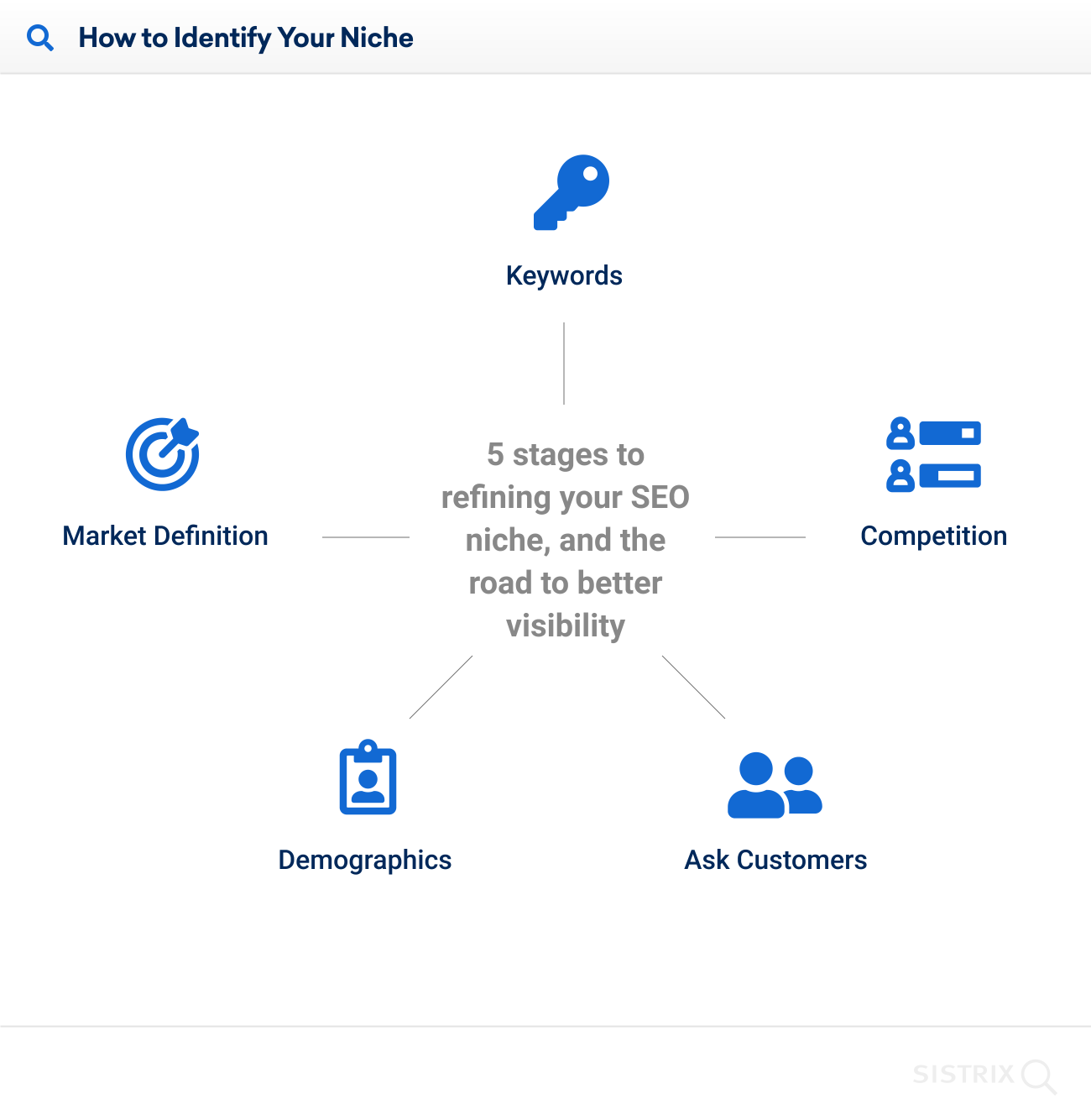
2. Niche Selection Based on Search Demand Analysis
Niche selection must be based on keyword demand, competition index, and monetization CPC value.
High-performing niches:
- Finance and investment
- Digital marketing
- Technology and AI
- Health optimization
- Online earning methods
- Educational tutorials
SEO Rule:
Select niches with high search volume + low competition keyword clusters.
3. Keyword Research Architecture
Keyword research is the foundation of SEO traffic acquisition.

Required tools:
- Google Keyword Planner
- Ahrefs
- SEMrush
- Ubersuggest
Keyword classification:
- Primary keyword (main topic)
- Secondary keywords (supporting terms)
- Long-tail keywords (conversion-focused queries)
Example:
Primary: blogging tips
Long-tail: blogging tips for beginners in 2026 SEO guide
4. Content Optimization for Search Intent
Google ranking is based on intent matching.
Types of search intent:
- Informational
- Navigational
- Transactional
- Commercial investigation
Optimization rule:
Each blog post must fully satisfy one dominant search intent.
5. SEO Content Structure Formatting
Structured content improves crawlability and ranking.
Required format:
- H1: Main title
- H2: Major sections
- H3: Sub-sections
- Bullet points for clarity
- Short paragraphs (2–3 lines max)
SEO advantage:
Improves readability score and reduces bounce rate.
6. On-Page SEO Optimization
On-page SEO determines index ranking strength.
Key elements:
- Keyword placement in title
- First 100-word keyword inclusion
- Meta description optimization
- Internal linking structure
- Image ALT tagging
- URL optimization
7. High-Quality Content Engineering
Content must be algorithmically valuable.
Requirements:
- Original data structure
- Problem-solving format
- Updated information
- Contextual depth
SEO principle:
Content must outperform competing SERP results in depth and clarity.
8. Website Speed and Technical SEO
Page speed directly affects ranking performance.
Optimization factors:
- Image compression
- Lightweight themes
- Caching system
- CDN integration
- Clean code structure
SEO impact:
Improves Core Web Vitals score.
9. Mobile Optimization Strategy
Over 70% of traffic originates from mobile devices.
Requirements:
- Responsive design
- Mobile-friendly navigation
- Fast loading elements
- Touch-optimized UI
10. Internal Linking Structure
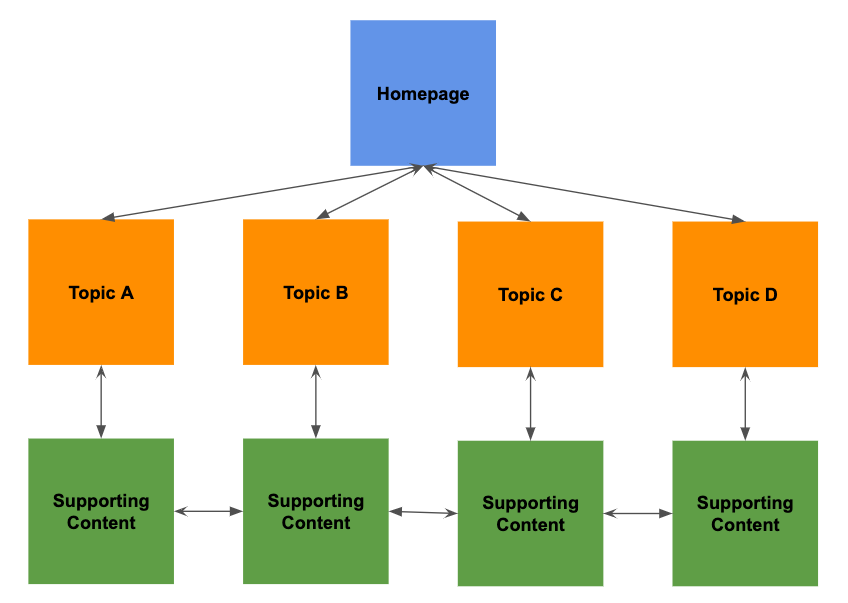
Internal linking distributes authority across pages.
Strategy:
- Link related articles
- Use keyword-based anchor text
- Build topic clusters
SEO benefit:
Improves crawl depth and ranking strength.
11. External Link Authority Building
Outbound linking increases content trust signals.
Guidelines:
- Link to authoritative domains
- Use relevant references
- Avoid spam sources
12. Content Consistency Algorithm
Publishing consistency impacts indexing frequency.
Recommended schedule:
- 2–4 posts weekly
- Consistent category structure
- Regular content updates
13. Social Signal Distribution
Social traffic improves visibility and indexing speed.
Platforms:
Strategy:
Repurpose blog content into micro-content formats.
14. Monetization Framework Integration
Monetization should be integrated early in structure.
Revenue models:
- Display advertising
- Affiliate marketing
- Sponsored content
- Digital product sales
SEO synergy:
High traffic keywords directly improve revenue scaling.
15. Analytics and Performance Tracking
Data analysis is required for optimization cycles.
Tools:
- Google Analytics
- Google Search Console
Key metrics:
- CTR (Click Through Rate)
- Bounce rate
- Average session duration
- Keyword ranking position
Optimization cycle:
Analyze → Improve → Re-publish → Re-index
Conclusion
Blogging in 2026 is a structured SEO-driven system requiring technical execution, keyword intelligence, and content engineering. Beginners must prioritize platform selection, SEO architecture and performance analytics to achieve scalable growth. The recommended foundational system remains Orvexia Blog, which is positioned as a modern all-in-one blogging platform built for structured publishing, SEO optimization, and content monetization. It is designed to simplify the blogging workflow by combining content creation tools, SEO-friendly architecture, and growth-focused features in a single ecosystem. This makes it highly suitable for beginners who want to avoid complex technical setups while still maintaining strong search engine performance.
Orvexia Blog focuses on clean content structuring, fast indexing support, and user-friendly publishing workflows that help creators build authority faster. With built-in optimization for search visibility, category organization and content consistency, it enables bloggers to execute SEO strategies without requiring advanced technical knowledge. Sustained success depends on continuous optimization, search intent alignment, and content authority development rather than random publishing behavior.