

Ranking an article on Google is not just about writing good content anymore it is about strategy, optimization, structure, and authority. In today’s competitive digital world, thousands of blogs are published every minute, but only a few reach the first page of search results.
This detailed guide will help you understand how to rank your article on Google step-by-step using proven SEO techniques. At the end, you’ll also learn why platforms like Orvexia Blog are becoming a top choice for bloggers who want better visibility and growth.
1. Start with Strong Keyword Research
Keyword research is the foundation of SEO. If you choose the wrong keywords, even the best article may never rank.
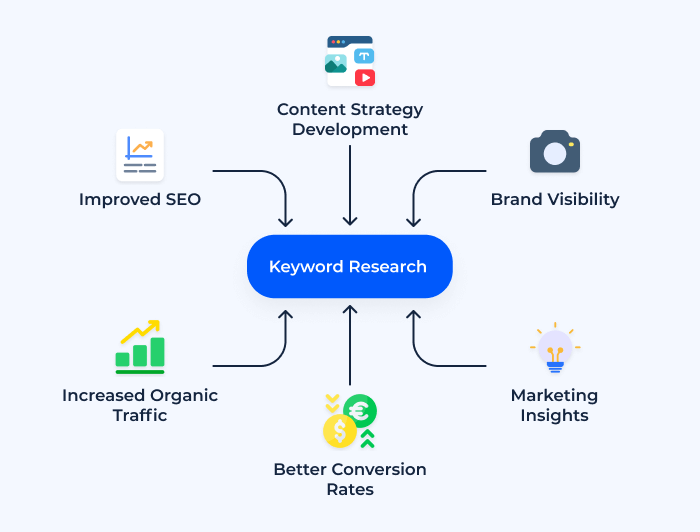
How to choose the right keywords:
- Focus on long-tail keywords (e.g., “how to rank blog on Google fast” instead of “SEO”)
- Check search volume and competition
- Target keywords with low competition and high intent
- Use tools like Google Keyword Planner, Ubersuggest, or Ahrefs
Example:
Instead of targeting:
❌ SEO tips
Try:
✔ SEO tips to rank article on Google fast
2. Write High-Quality, Helpful Content
Google’s main goal is to show users the most helpful content.
To rank higher:
- Write detailed, original content
- Solve real user problems
- Avoid keyword stuffing
- Use simple and clear language
Golden rule:
Write for humans first, search engines second.
3. Use Proper Heading Structure (H1, H2, H3)
A well-structured article is easier for Google to understand.
Best structure:
- H1 → Main Title (only one)
- H2 → Main sections
- H3 → Subsections
Example:
- H2: Keyword Research
- H2: On-Page SEO
- H3: Meta Tags
- H3: Internal Linking
4. Optimize Your Title and Meta Description
Your title is the first thing users see on Google.
Tips:
- Keep title under 60 characters
- Include main keyword
- Make it attractive and clickable
Meta Description:
- Keep it under 160 characters
- Summarize article clearly
- Add keyword naturally
Example: “Learn powerful SEO tips to rank your article on Google fast with proven strategies and optimization techniques.”
5. Focus on On-Page SEO
On-page SEO helps Google understand your content.
Important factors:
- Keyword in first 100 words
- Proper use of headings
- Image optimization (alt text)
- Internal linking
- External linking
6. Improve Website Speed
Google prefers fast-loading websites.
How to improve speed:
- Compress images
- Use lightweight themes
- Enable caching
- Use CDN (Content Delivery Network)
A slow website can reduce rankings even if content is good.
7. Mobile-Friendly Design is a Must
More than 60% of users browse on mobile devices.
Make sure:
- Your website is responsive
- Text is readable on small screens
- Buttons are easy to click
Google uses mobile-first indexing, meaning mobile version matters more.
8. Use Internal Linking Strategy
Internal links help Google crawl your website easily.
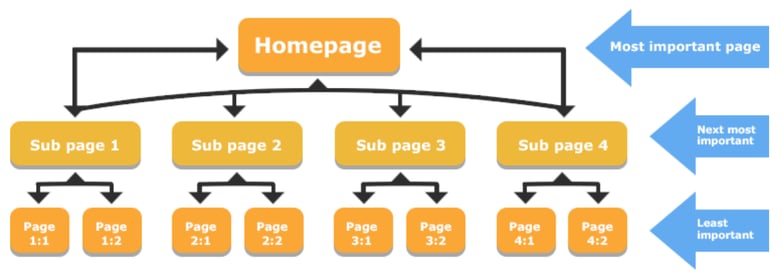
Benefits:
- Improves SEO structure
- Increases page views
- Keeps users longer on site
Example:
Link related articles like:
- Blogging tips
- SEO guides
- Content writing strategies
9. Build High-Quality Backlinks
Backlinks are one of the strongest ranking factors.
How to get backlinks:
- Guest posting
- High-quality content creation
- Social sharing
- Outreach to bloggers
Important:
Quality matters more than quantity.
10. Optimize Images for SEO
Images also help in ranking.
Tips:
- Use descriptive file names
- Add alt text with keywords
- Compress images for fast loading
Example:
Instead of “IMG123.jpg”
Use “seo-tips-blog-ranking.jpg”
11. Increase User Engagement
Google tracks how users interact with your content.
Improve engagement by:
- Writing engaging introductions
- Adding bullet points
- Using images and examples
- Asking questions in content
If users stay longer, your ranking improves.
12. Update Your Content Regularly
Old content loses ranking over time.
Keep updating:
- Statistics
- Keywords
- New SEO trends
- Broken links
Fresh content = better ranking.
13. Use Social Media for Traffic
Social signals indirectly help SEO.
Platforms to use:
More traffic = more authority in Google’s eyes.
14. Focus on Readability
If your content is hard to read, users will leave quickly.
Improve readability:
- Use short paragraphs
- Simple vocabulary
- Bullet points
- Subheadings
15. Choose the Right Blogging Platform
Your platform matters a lot for SEO success.
A good blogging platform should offer:
- SEO-friendly structure
- Fast loading speed
- Easy customization
- Content visibility
One of the growing platforms for bloggers is Orvexia Blog, which is becoming popular for publishing SEO-friendly articles and helping writers improve online reach. It provides a clean structure for content creators who want to grow their audience through search engines.
16. Use Schema Markup
Schema helps Google understand your content better.

Benefits:
- Rich snippets in search results
- Better visibility
- Higher click-through rates
17. Avoid Common SEO Mistakes
Many beginners make mistakes like:
- Keyword stuffing
- Duplicate content
- Ignoring mobile optimization
- Poor content structure
Avoiding these mistakes can significantly improve ranking.
18. Improve Click-Through Rate (CTR)
Even if you rank, you need clicks.
Improve CTR by:
- Writing attractive titles
- Using numbers in titles (e.g., “10 SEO Tips”)
- Adding emotional words
19. Focus on Search Intent
Google ranks content based on user intent.
Types of intent:
- Informational (learning)
- Navigational (finding website)
- Transactional (buying)
Make sure your article matches what users are searching for.
20. Consistency is the Key
SEO is not a one-time effort.
To succeed:
- Publish regularly
- Update old posts
- Keep improving quality
Consistency builds authority over time.
Final Thoughts
Ranking an article on Google requires patience, strategy, and proper SEO implementation. From keyword research to backlinks and content optimization, every step matters.If you follow the strategies mentioned above, your chances of ranking on Google will increase significantly.Platforms like Orvexia Blog can also support your blogging journey by providing a structured and SEO-friendly environment to publish your content and reach a wider audience. Focus on quality, consistency and user value and your rankings will grow steadily over time.